West City by Vajra Home

Category

Urban Living & Design

15 articles

Ambient Noise and the Architecture of Quiet: What Urban Developers Still Get Wrong

Ambient Noise and the Architecture of Quiet: What Urban Developers Still Get Wrong

In the competition for urban residents, developers have invested heavily in visible amenities while largely ignoring the one quality that most directly affects daily wellbeing: silence. This investigation examines the neuroscience of chronic low-level noise exposure, separates genuine acoustic engineering from marketing performance, and offers a practical framework for evaluating how quiet a building truly is before you commit to a lease.
From Code Requirement to Coveted Feature: The Architectural Reinvention of the Urban Stairwell

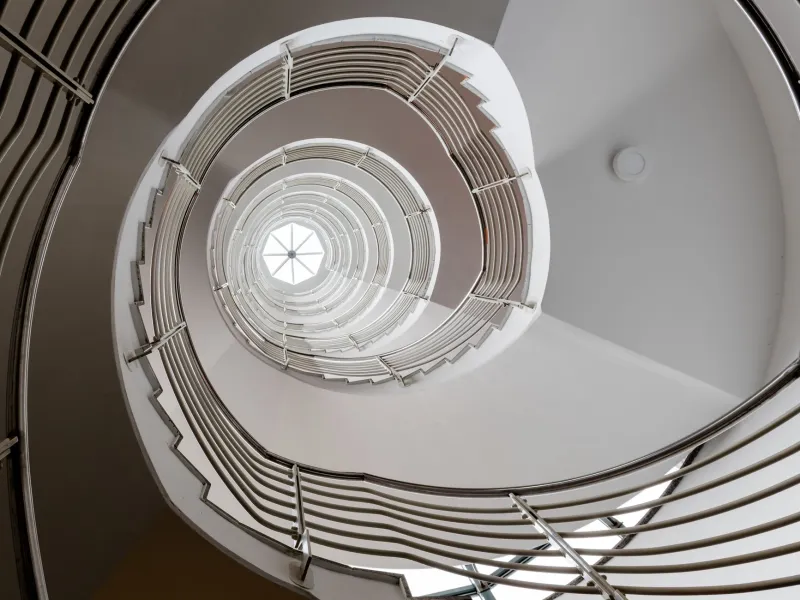
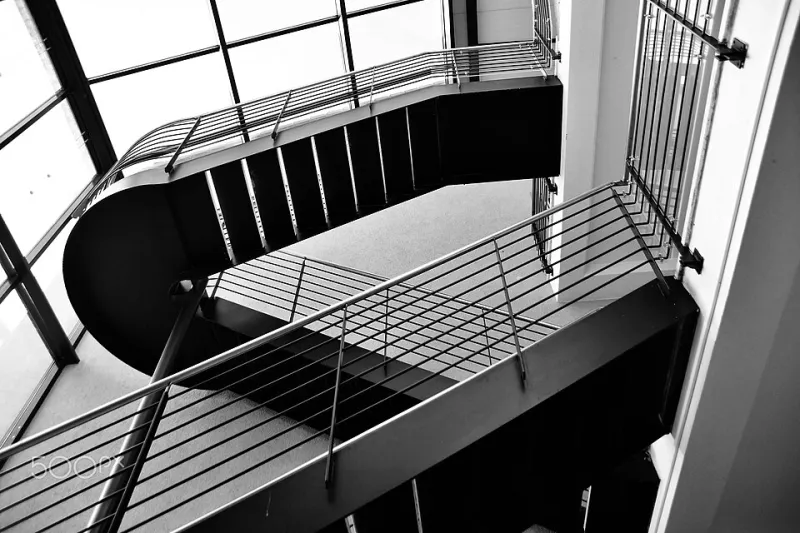
Emergency stairwells have long occupied the most neglected corners of urban residential buildings—concrete corridors of bare utility, visited only under duress. That arrangement is changing. A growing number of premium developments are treating these vertical passages as meaningful design territory, transforming what was once an afterthought into one of the most quietly compelling spaces in the building.

Borrowed Memory: How New Urban Developments Are Wearing the Faces of the Neighborhoods They've Replaced

Borrowed Memory: How New Urban Developments Are Wearing the Faces of the Neighborhoods They've Replaced

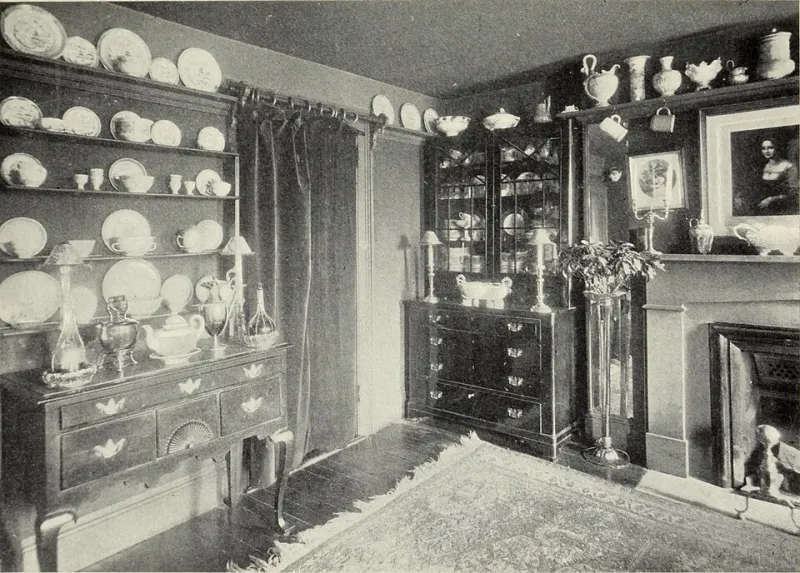
Across American cities, newly constructed residential buildings are increasingly adorned with murals, reclaimed brick, and archival photography drawn from the neighborhoods they have irrevocably transformed. The intent is presented as homage, but the effect is more complicated—raising serious questions about whether design nostalgia constitutes genuine cultural stewardship or a polished form of erasure. This piece examines the architecture of memory and what it costs when a building's aesthetic

First Impressions, Lasting Hierarchies: What Lobby Design Reveals About Power in Urban Residential Buildings

First Impressions, Lasting Hierarchies: What Lobby Design Reveals About Power in Urban Residential Buildings

The lobby of a modern urban residential building is rarely just a passageway. Through deliberate architectural choices—desk placement, lighting, security systems, and spatial flow—developers encode social expectations into the very first room a resident or visitor encounters. Understanding these signals is essential for anyone navigating, investing in, or designing urban housing today.

Gilded Distractions: How the Race for Exotic Amenities Is Obscuring What Urban Residents Actually Need

Gilded Distractions: How the Race for Exotic Amenities Is Obscuring What Urban Residents Actually Need

Across American cities, residential developers are installing everything from cold plunge pools to in-building recording studios in a bid to stand apart in a crowded market. But as amenity lists grow longer and stranger, a more pressing question emerges: are these additions genuinely improving urban life, or are they elaborate stage dressing that diverts attention—and capital—from the fundamentals that actually sustain a building's value?

Invested Without Deed: The Hidden Stakes of Long-Term Urban Renting

Invested Without Deed: The Hidden Stakes of Long-Term Urban Renting

Urban renters routinely pour years of emotional energy, social capital, and discretionary spending into neighborhoods they have no legal claim to — a dynamic that reveals a profound tension at the heart of American city life. When housing is treated as a transaction rather than a relationship, the costs extend far beyond the balance sheet. Understanding this unspoken contract between residents and their communities is essential to building cities that function with genuine integrity.

Resident-to-Resident: How Urban Buildings Are Quietly Becoming Economic Ecosystems

Resident-to-Resident: How Urban Buildings Are Quietly Becoming Economic Ecosystems

Beneath the curated amenities and polished lobbies of modern urban residential buildings, a quieter economy is taking shape—one built on neighbor-to-neighbor exchange, informal skill-sharing, and grassroots mutual support. Developers are only beginning to reckon with whether their designs enable or obstruct these organic networks. The buildings that get this right may hold a significant competitive advantage.

Vertical Passage: What the Elevator Reveals About Power, Privacy, and Social Order in Urban Residential Buildings

Vertical Passage: What the Elevator Reveals About Power, Privacy, and Social Order in Urban Residential Buildings

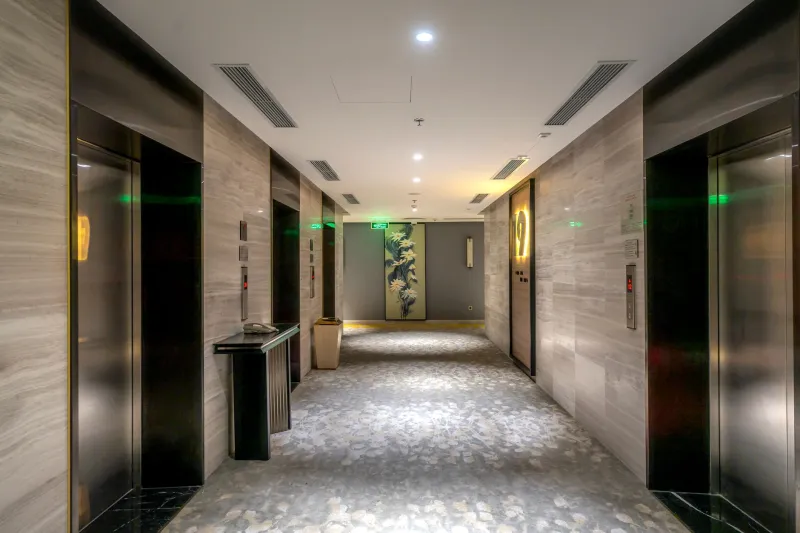
The elevator is among the most intimate shared spaces in any residential high-rise, yet it receives a fraction of the design attention lavished on lobbies and amenity floors. How buildings move their residents—who shares a cab, how long they wait, and which floors are accessible to whom—quietly encodes a social architecture that shapes daily life in ways few developers openly acknowledge.

Density and the Mind: How Urban Architecture Is Finally Confronting the Psychological Cost of City Living

Density and the Mind: How Urban Architecture Is Finally Confronting the Psychological Cost of City Living

Emerging research is drawing a clearer line between high-density urban environments and measurable declines in resident wellbeing—from elevated cortisol levels to chronic sleep disruption. Forward-thinking developers are now responding with spatial strategies that treat mental health not as a marketing afterthought but as a structural imperative. The buildings commanding the highest premiums in this new landscape share one defining characteristic: they were designed with the nervous system in mi

Beyond the Rooftop Pool: What Residents Actually Value in Urban Buildings—and Where Developers Miss the Mark

Beyond the Rooftop Pool: What Residents Actually Value in Urban Buildings—and Where Developers Miss the Mark

Developers continue to pour capital into high-visibility amenities that photograph well but go largely unused, while overlooking the everyday conveniences that residents genuinely prize. A closer examination of survey data and on-the-ground feedback reveals a persistent and costly disconnect between what gets built and what people actually want. Understanding this gap is essential for anyone evaluating urban residential properties today.